Common Puppy Training Mistakes Every Dog Owner Should Avoid

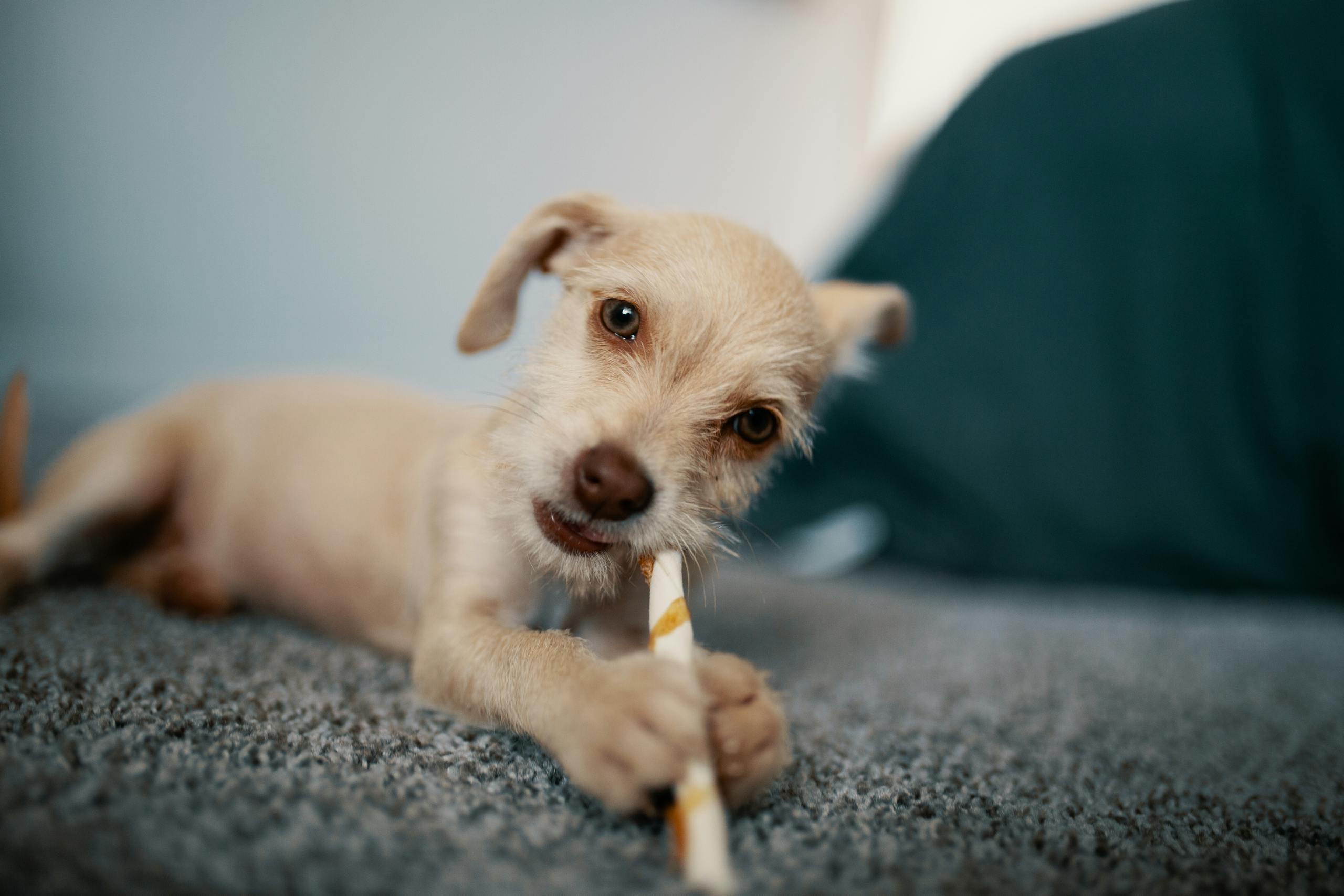
Puppyhood is a magical time—but also full of chaos, chewed slippers, and confusing signals. One moment your pup is a sleepy angel, the next a zooming tornado. That’s why common puppy training mistakes happen to even the most loving owners.
The good news? Most of these mistakes are easy to avoid once you know what they are. This article reveals the 7 most frequent errors in puppy training—and how to fix them with confidence, clarity, and kindness.
Why Early Training Matters
The first months of your puppy’s life shape their confidence, learning style, and behavior for years to come. But when we fall into certain patterns—like being inconsistent or overcorrecting—we accidentally teach fear, confusion, or even anxiety.
That’s why it’s so important to understand the common puppy training mistakes and replace them with better habits.
Mistake #1: Inconsistent Rules
Sometimes “off the couch” means off, and other times it’s fine? That inconsistency confuses your pup and undermines all training.
✅ Fix: Choose 2–3 core rules and stick to them as a household. Consistency creates security.
Mistake #2: Punishing After the Fact
Dogs live in the moment. If your puppy pees inside and you scold them 30 seconds later, they don’t connect the punishment to the act.
✅ Fix: Catch behavior in the act, and use redirection. If you miss it, clean up quietly and try to supervise better next time.
Mistake #3: Skipping Socialization
Many owners wait too long to expose puppies to new things. This creates fear-based behaviors later.
✅ Fix: Between 8–16 weeks is the golden window for positive exposure. Think: new textures, surfaces, people, sounds—but all calm and controlled.
🎧 Bonus: Use soft nature sounds or meditation music from Pawsly during social moments to reduce overwhelm.
Mistake #4: Overusing “No!”
Telling your puppy “No!” doesn’t teach them what to do—in fact, it can frustrate both of you.
✅ Fix: Replace “No” with instructions. Example:
- Chewing furniture? → Offer a chew toy
- Jumping up? → Reward four paws on the floor
- Barking? → Redirect to a quiet task like a snuffle mat
Mistake #5: Long Training Sessions
Puppy brains have tiny attention spans. Long or intense training overwhelms them and teaches them to tune out.
✅ Fix: Keep sessions to 3–5 minutes, 2–3 times a day. Celebrate small wins!
💡 Reinforcement, not repetition, builds results.
Mistake #6: Ignoring Calm Behavior
Most owners jump to correct bad behavior, but miss chances to reward good moments—like lying down quietly or waiting patiently.
✅ Fix: Catch your puppy doing it right. Calmness deserves cookies too.
🎁 Pro tip: Use “calm cookies” after naps or during evening wind-down.
Mistake #7: Expecting Too Much, Too Soon
Puppies are babies. If your expectations are too high, you’ll both get frustrated.
✅ Fix: Set age-appropriate goals. Celebrate progress, not perfection. You’re not just training behaviors—you’re shaping a relationship.
Calm Puppies Learn Better
When your puppy is calm, their brain is ready to absorb new information. That’s why creating the right emotional state is half the battle.
🎶 Try playing guided meditations from the Pawsly app before training. It sets the tone and helps your puppy focus.
Recap: Avoid These 7 Common Puppy Training Mistakes
- Inconsistency
- Late punishment
- Skipped socialization
- Overuse of “No!”
- Long training sessions
- Ignoring calm behavior
- Expecting too much too soon
By training with empathy, timing, and clarity, you’ll raise a confident and well-adjusted pup—without the stress.
📱 Want calm support while raising your pup?
At Pawsly, you’ll find soundscapes and routines designed to help your puppy relax, reset, and respond better to training.